What is a Christian organisation?
In the CARE prayer diary for January to April 2025 the following sentence was included:
“Please . . . encourage those involved in Christian charities like Trussell Trust . . .”
This raised the question ‘What is Christian?’
The Oswestry and Borders Foodbank tells us:
“The Trussell Trust is based on, shaped by, and guided by Christian principles. These values have strong roots in the Christian teaching and practice, whilst also being accessible and meaningful for people, whatever their background. These values provide a strong shared foundation for collaboration towards our goal of ending the need for food banks in the UK.”
Many churches actively support or run food banks within the Trussell Trust network, providing venues, volunteers, leadership, and donations. The organisation offers resources to help churches engage with issues of poverty and reflect on how Christian faith can shape responses to these challenges. Does this, however, make this well-meaning social organisation Christian?
The Trussell Trust does not explicitly promote religious beliefs, including those about Jesus Christ, in its public-facing materials or services. Its primary focus is on addressing food insecurity and poverty, working inclusively with people of all faiths and none. This approach ensures that support is accessible to everyone in need, without religious prerequisites.
The same question may be asked of other charities. Christian Aid has Jesus Christ in its name and is supported by many churches but is it now a Christian organisation?
The Bible’s definition of Christian
The New Testament emphasises the foundational Christian message that Jesus Christ is Lord and that no one else holds this supreme authority. This theme is central to the teachings of Jesus and the apostles and is affirmed repeatedly in various contexts. Here are key passages that stress this message:
1. They accept Jesus Christ is Lord
The apostle Paul had no doubt as to who Jesus is:
“Therefore God exalted him to the highest place and gave him the name that is above every name, that at the name of Jesus every knee should bow, in heaven and on earth and under the earth, and every tongue acknowledge that Jesus Christ is Lord, to the glory of God the Father.” Philippians 2:9-11
This passage declares Jesus’ universal lordship, recognized by all creation, and distinguishes Him as the one true Lord. Peter declared in his first Pentecost sermon that Jesus is both Lord and Christ, appointed by God.
“Therefore let all Israel be assured of this: God has made this Jesus, whom you crucified, both Lord and Messiah.” Acts 2:36
2. They accept the exclusivity of Jesus’ Lordship
Jesus claimed that he was the only way to enter into a relationship with God:
“Jesus answered, ‘I am the way and the truth and the life. No one comes to the Father except through me.’” John 14:6
Peter and John had the courage to say to the Jewish Sanhedrin when they were on trial
“Salvation is found in no one else, for there is no other name under heaven given to mankind by which we must be saved.” Acts 4:12
This emphasises that Jesus alone is the source of salvation, rejecting any rival claim. This is the essential Christian message. In the New Testament Jesus Christ is called ‘Lord’ over 250 times.
3. They accept Christ’s supremacy over all earthly powers
The apostles had no doubt that Jesus is Lord over all authorities and surely this includes governments and even charities
“The Son is the image of the invisible God, the firstborn over all creation. For in him all things were created: things in heaven and on earth, visible and invisible, whether thrones or powers or rulers or authorities; all things have been created through him and for him. He is before all things, and in him all things hold together. And he is the head of the body, the church; he is the beginning and the firstborn from among the dead, so that in everything he might have the supremacy.” Colossians 1:15-18
Today many governments, businesses and charities do not want to cause offence so they so water down Christian teaching as to nullify it all together. Christians affirm that Jesus Christ alone is Lord.
“For even if there are so-called gods, whether in heaven or on earth (as indeed there are many ‘gods’ and many ‘lords’), yet for us there is but one God, the Father, from whom all things came and for whom we live; and there is but one Lord, Jesus Christ, through whom all things came and through whom we live.” 1 Corinthians 8:5-6
4. They openly confession of Jesus Christ is Lord
The Bible goes even further. Our eternal salvation depends on us openly confessing Jesus to be our Lord:
“If you declare with your mouth, ‘Jesus is Lord,’ and believe in your heart that God raised him from the dead, you will be saved.” Romans 10:9
When Jesus was asked what is the greatest commandment he had no doubt what came first, he replied:
“‘Love the Lord your God with all your heart and with all your soul and with all your mind.’This is the first and greatest commandment. And the second is like it: ‘Love your neighbour as yourself.’ All the Law and the Prophets hang on these two commandments.” Matthew 22:37-40
Man’s greatest need is to enter into a relationship with God, and to suggest that other needs are primary is not Christian thinking. Caring for others physical, social and psychological problems has always been a mark of Christians and must remain so, but it must never, never take precedence over the central message that Jesus alone is our Lord and Saviour. This is why Jesus entered this world to die and rise again for us. This is why the Great Commission Jesus gave to his disciples was and remains,
“Therefore go and make disciples of all nations . . .” Matthew 28:19
All Christians are called to do a variety of ‘good works’ but Jesus was clear what the end aim should be:
“In the same way, let your light shine before others, that they may see your good deeds and glorify your Father in heaven.” Matthew 5:16
People can only give glory to god if they are told why the good deeds have been done!
The evidence that a person or an organisation is Christian is that they unashamedly say ‘Jesus is my Lord’:
“Therefore I want you to know that no one who is speaking by the Spirit of God says, ‘Jesus be cursed,’ and no one can say, ‘Jesus is Lord,’ except by the Holy Spirit.” 1 Corinthians 12:3
This highlights that acknowledging Jesus as Lord is a work of the Holy Spirit.
“If anyone does not have the Spirit of Christ, he does not belong to Christ.” Romans 8:9
The New Testament repeatedly stresses that Jesus Christ is Lord and he alone. This is not only as a title of authority but a declaration of His divine nature and exclusive role in salvation. This message stresses that no earthly or spiritual power can rival Jesus’ supreme lordship, and therefore it is essential that those who acknowledge him openly say so, otherwise they are not Christian.
While talking about Christ on the streets of a city in California, evangelist H.A. Ironside and his friends were often interrupted by questions from the crowd. One common question was this:
“There are hundreds of religions in this country, and the followers of each sect think they're right. How can poor plain people like us find out what really is the truth?”
Ironside answered:
“Did you say there are hundreds of religions? That's strange; I know of only two. True, there are many shades of difference in the opinions of those comprising the two great schools. But after all, there are only two types of religion. The one covers those who hope for salvation by what they do; the other, consists of those who have been saved by what Jesus has done for us.’
How true this is. People are eith trying to please God by their actions or they have realised that what they do can never be enough to satisfy the Almighty Holy God and that their only hope is to throw themselves on the mercy of God’s Son, the Lord Jesus who has already paid the price for their sin. This is the message of the whole Bible. A sacrifice has to be offered to pay for our sin and there is only one person who can do that, the Son of God himself.
Let the last word on this crucial subject be that of the Lord Jesus who had gone without food for forty days and Satan came to entice Him to turn stones into loaves of bread. Jesus answered the devil with these famous words:
“It is written: ‘Man shall not live on bread alone, but on every word that comes from the mouth of God’” Matthew 4:4
We naturally tend to focus on physical, social; and psychological needs, but Jesus tells us that there is an even more basic need that all must address, a spiritual need.
BVP

Physician Assisted Suicide

Over the last twenty years there have been many unsuccessful attempts to change the law on physician assisted suicide. The recent debate and vote on this showed that there is much ignorance about the problem of death. I was a surgeon with particular interest in Surgical Oncology so often had to face issues of people who were facing death. The word ‘euthanasia’ literally meant ‘good death’ and this is something every caring physician wants for his patients who have a terminal disease. It is unfortunate that many now understand it to mean an accelerated death, a form of physician assisted suicide.
In the last fifty years there have been many changes under what may be called a ‘woke’ umbrella, where individuals can decide what they want to think about anything without fear of criticism. Homosexual acts were once illegal, suicide was once illegal, but now these attitudes are changing. It is as if right and wrong are defined by what those in authority and by what those in the media want it to be. What is significant is how little time for public debate was allowed before the vote was taken. It is a concern that many of those MP’s who voted did so on emotional grounds and anecdotes and not on good evidence and argument. This new bill takes these ethical changes even further but it contains major concerns.
Less than six moths prognosis
It is extremely difficult to state with any degree of certainty how long a person is likely to survive. There are so many variables. Patients with malignancies find that with treatment tumour growth can be static for some time. Six months is an arbitrary figure. Will those doctors and judges who sign these forms confirming the prognosis is less than 6 moths be audited as this would be one way to prevent abuse? In one study out of 6,495 occasions when doctors or nurses predicted a person would die between 6 months and a year, they were wrong in more than half of the patients, 3516 survived.
It is clear from television interviews that many who say they have advanced terminal cancer appear outwardly well and coping. It is an undefined fear of a terrifying end that is usually the drive to have this option but this should very rarely happen.
It is only in a person’s final days that a clinician can be fairly confident that imminent death is likely and even then we have all had surprises. Joy can have very beneficial effects on a patient’s symptoms.
2. Associated depression and anxiety
We are all made up of physical, psychological, and social components. All clinicians know that when a person is depressed or anxious they not only find their pain is increased but they dread the future. Suicide in people who are depressed is generally thought of as being wrong and not encouraged. The aspect of depression in sick people has not been focused on. Many people who are thinking of suicide when they have a terminal disease often demonstrate concomitant psychological problems which may be helped by specialist care.
There is good evidence that pain and physical suffering are seldom the drivers for assisted suicide but more common is the fear of being a burden to family and friends.
Psychological features are well recognised by palliative care doctors and nurses and are a major aspect of patients’ care. When these are well addressed then a patients last days can still be satisfying and be a help to others.
3. Financial concerns
The costs of implementing a physician assisted suicide programme with the involvement of specialists to ensure safe practice will be significant. ‘Dignitas’ charges approximately £8000 for those they help to die in Switzerland. Would the bankrupt health service be expected to pay for this or will it be just available privately? If the NHS will pay for this what will be sacrificed?
In the recent parliamentary debate there was much talk about the need for more hospice care facilities and palliative care specialists. Although not mentioned much this is expensive and undoubtedly some think, but rarely verbalise, that a cheaper solution is for terminally ill people to disappear. This is reminiscent of the argument used by a cigarette company to an Eastern European government that said that encouraging smoking would be financially beneficial as early deaths from heart diseaseand cancers would reduce the pension payouts! It would be cheaper for the state to encourage the death of any with terminal disease. This was a solution accepted by the third Reich and some doctors there accepted this. Current British law makes it illegal to assist anyone to take their own life.
4. Slippery-Slope arguments.
As has been seen in other countries who have instituted liberalising laws, it will be difficult to maintain this bill’s limited scope. Even before the present bill’s first reading up to 54 MPs were calling for the bill’s provisions to include a wider group of patients facing intolerable suffering. There has been an expansion in the conditions permitted in many countries that have brought in similar legislation, including the offering of assisted suicide to people with anorexia, arthritis, hernias, diabetes and even tinnitus. Canada is now considering extending its law on assisted suicide to include those with mental illness.
Canada’s euthanasia program, known as Medical Assistance in Dying (MAiD), has faced significant criticism and challenges since it was legalised in 2016. MAiD has become increasingly common, accounting for over 4% of deaths in Canada by 2022, much surpassing initial predictions. In 2022, there were 13,241 MAID deaths in Canada, which was a 31.2% increase from 2021.
In Canada people can apply if they ‘experience unbearable physical or mental suffering from your illness, disease, disability or state of decline that cannot be relieved under conditions that you consider acceptable.’ They do not need to have a fatal or terminal condition to be eligible for medical assistance in dying.
This is very relevant in the current euthanasia debate in the United Kkingdom. The 2016 Canada bill that has many similarities to Kim Leadbeater’s bill. Since then Canada has become the major euthanasia centre. More than 70,000 people have opted for physician assisted suicide and this is now the fifth leading cause of death there. There are many problems. In the Leadbeater Bill the term ‘co-ordinating doctor’ appears 93 times and the term ‘independent doctor’ 32 times. These doctors are meant to ensure patients genuinely meet eligibility criteria. But in Canada doctors supporting patient assisted suicide quickly formed themselves into professional groups who soon obtained government funding. The so called ‘co-ordinating and independent doctors’ soon became part of the same group. Now in Canada, many patients with all sorts of distressing diagnoses are reminded by doctors that they are eligible for state-sponsored assisted suicide. Many people told their diagnosis feel anxious and depressed. Imagine the effect of a doctor saying,
“Well, you know the hospital has a programme to help you with this if you decide that you want to end it all.”
Suicide for severe depression or other psychological diseases is not yet allowed but this new bill verges on permitting this if there is an underlying physical disease. Symptoms are far worse if people are psychologically unstable.
This raises ethical questions about whether assisted dying in Canada is being offered as an easier alternative to inadequate medical and social care. Critics have highlighted cases where individuals with disabilities or chronic conditions feel pressured to choose suicide due to inadequate healthcare access. Reports show some patients have opted for ‘euthanasia’ after being denied essential services, such as accessible housing or treatment for chronic pain. The inclusion of ‘advanced directives’ and the removal of a final consent requirement in some cases have sparked fears about potential abuse. This could lead to situations where patients are killed despite a change in their wishes or condition, particularly for those with dementia or mental health issues. While wait times for many medical procedures and services in Canada remain lengthy, MAiD is often expedited, with some cases resolved in as few as 11 days. This has fuelled concerns that Canada prioritises “death care” over improving “life care” for its citizens. There is criticism about inadequate oversight mechanisms for MAiD, particularly in sensitive environments like prisons or among marginalised populations.
In Britain, when medical abortions were legalised in 1967, there were clear restrictions in the law to try and limit the practice. The Act made it lawful to have an abortion up to the 28th week if two registered medical practitioners believed in good faith that the continuance of the pregnancy would involve risk to the life of the pregnant woman, or harm her physical or mental health, or that of any of her family members. This seemingly restrictive wording was loose, including the words ‘harm her physical or mental health’ and as a consequence this act resulted in abortion on demand. With home abortions, using drugs, now readily available even these limited restrictions are becoming difficult to police. In 2020 62% of abortions in the UK were undertaken at home using drugs prescribed on the NHS by their doctor and so did not need hospital or clinic visits. The abortion law was also passed on emotional arguments based on hard cases but has been used in such a way that in the United Kingdom when contraception fails an abortion is readily available. These changes have had significant effects on family life and birth rates are lowering.
It is inevitable that even with restrictive beginnings there will be a growth in the rate of physician assisted suicides in years to come, much as has been seen in Canada. Suicide for other reasons will then become acceptable practice.
Social arguments
There are many, including the current Secretary of State for Health and other ministers, who are concerned that the current crisis in the NHS, the decreasing availability of access to palliative care and the crisis in social care make this a terrible time to introduce such legislation.
A recent poll has demonstrated that legalising ‘euthanasia’ is very low on the public’s list of priorities for the new government yet the Prime Minister has promised government time to debate this bill.
Could these changes in law that will permit the taking of life be the result of self-centred attitudes that are prevalent in our society. Are there increasing numbers who are thinking, ‘My comfort and well-being have become the focus of my life, and consequently my family and a serious problem for any society. Selfishness is very dangerous for any society.
Moral arguments
The moral argument concerning who gives life and who has the right to remove it is still significant both in medically assisted abortions and in medically assisted suicide. It is significant that most churches have been opposed to these changes in the law.
Spiritual arguments
Offering an easy early death to people can obscure the big questions of life. What am I here for? What happens when I die? Will I face God’s judgment as Jesus tells us? If a person is thinking of committing suicide, whether or not this is physician aided it is most important that people have the opportunity to think about these questions before it is too late for a change of mind, which is repentance.
The last chapter of my book ‘Cure for Life’ tells of a patient with terminal cancer who asked me ‘to speed up her death’. The subsequent conversation resulted in her finding peace with God and this change of direction and outlook also resulted in her husband finding answers he had never previously considered. This story, ‘A patient comes to Christ’ can also be found on the website www.bvpalmer.com under the search word ‘euthanasia’.
Practical Answers
A good doctor or nurse is in their profession to care for patients. No-one wants our patients to suffer. If a person has a terminal condition good palliative care is essential and in most cases this needn’t be expensive. Much of this can be offered by the patients General Practitioner so long as they have the confidence and backing to use opiates adequately when needed. Unfortunately since the trial of Shipman, who expedited the deaths of many patients, some doctors have been reticent to give adequate drugs to ameliorate pain and other symptoms. No patient should be left to suffer and good care will ensure good pain relief.
Solomon in all his wisdom nearly 1000 years B.C. recognised the need for adequate relief of symptoms using drugs!
“Give strong drink to the one who is perishing, and wine to those in bitter distress; let them drink and forget their poverty and remember their misery no more.” Proverbs 31:6-7
Good pain relief is essential but psychological and social problems must also be addressed. Patients with terminal problems can be helped to see that even when under great pressure there is a purpose to life. Sir Kenneth Calman, a previous Chief Medical Officer consistently emphasised the need for a holistic approach to healthcare, that addresses not just physical needs but also mental, emotional, spiritual, and psychological well-being, particularly for those facing chronic or terminal illnesses. This philosophy has been particularly influential in improving palliative care services, ensuring patients receive compassionate and multidimensional care.
B.V.Palmer
November 2024
This paper was presented to Parliament and they published it on the web
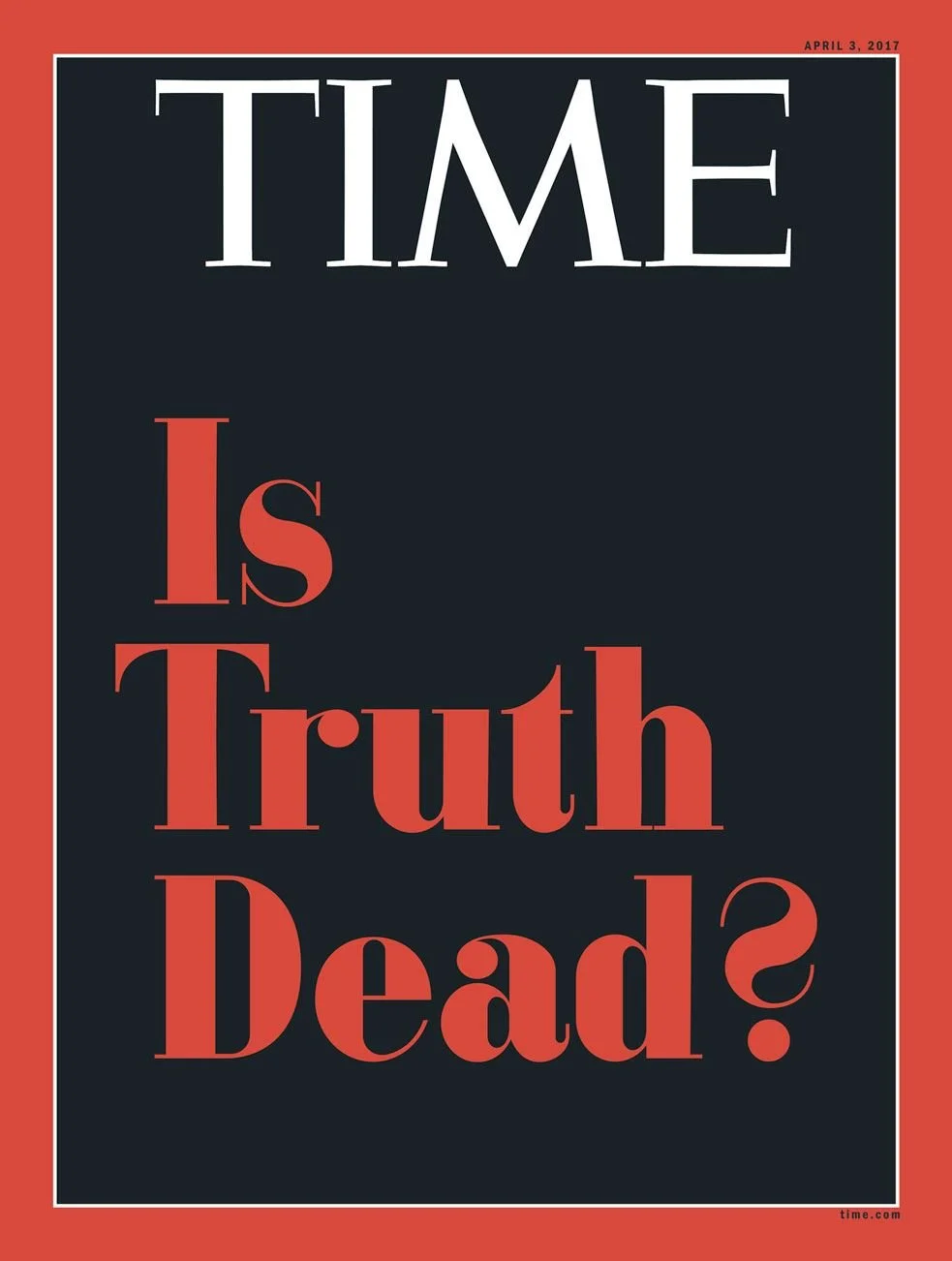
Truth really does matter
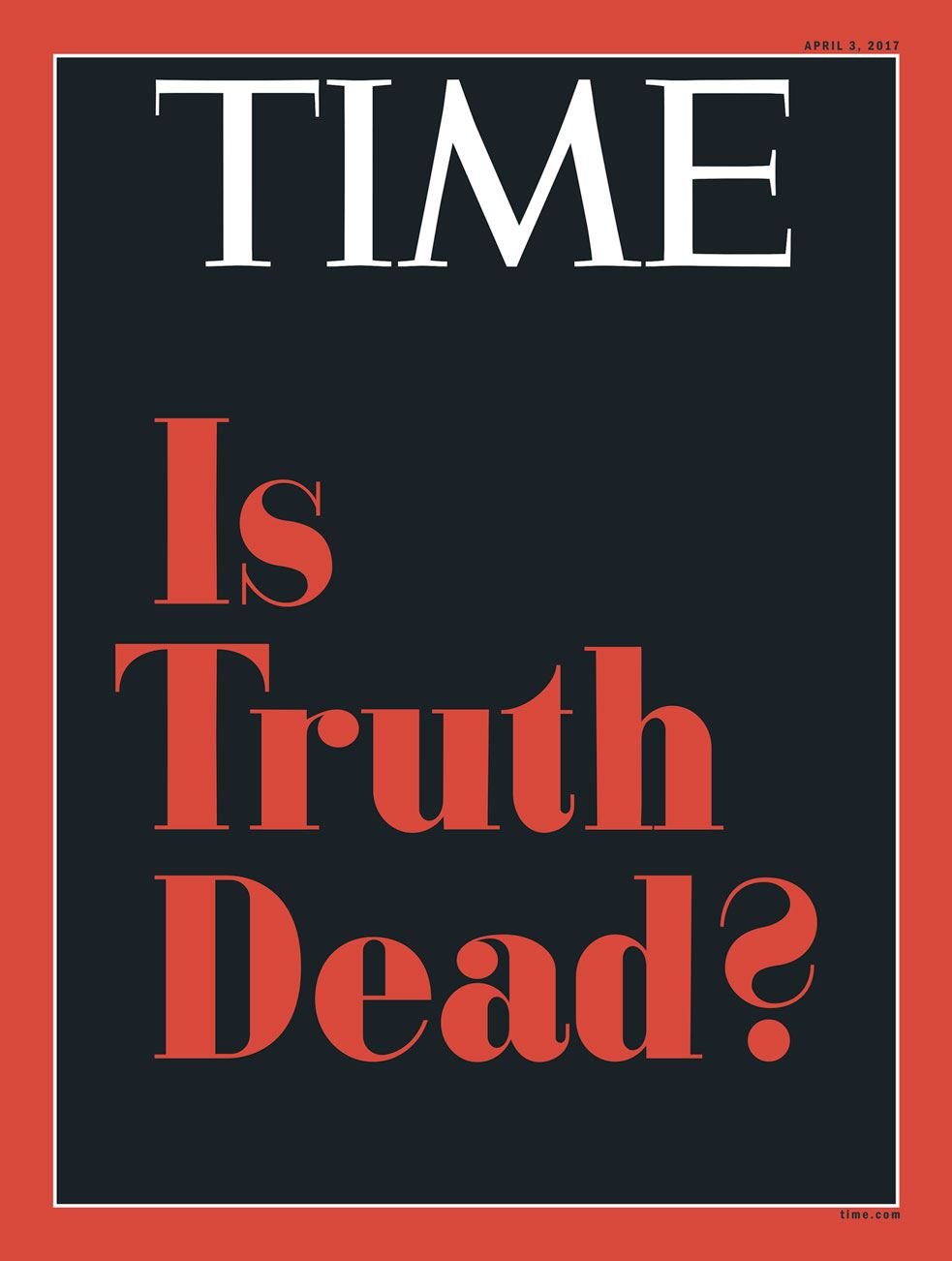
In England widespread riots followed the murder of three young children attending a dance group in Stockport. These riots had been triggered by false reports on social media that the accused was an asylum seeker. These reports were inflamed by more sophisticated forms of disinformation, including new websites that imitated those of newspapers or broadcasters.
The Government’s Education Secretary, Ms Phillipson, has decided that ‘pupils as young as five would be given critical thinking skills to identify misinformation.’
She added,
“It is more important than ever that we give our young people the knowledge and skills to be able to challenge what they see online”
At last people are beginning to realise that truth is a real concept. We recognise this in medicine where we look for the true diagnosis, in science we are looking for truth and law is a search for the truth. Now it is being recognised that news must be true because untruths can have terrible consequences. It is being recognised that two opposite opinions cannot be both true
Truth has an absolute dimension to it. God knows the truth about everything that happens in the world. We are reliant on aquiring evidence and using logic to deduce the truth. God alone knows the total reality, we humans are trying to unravel what is true, whether in science, law or other disciplines by dialectical processes.
This means that someone comes up with a notion, a thesis, and this is then tested by all the evidence available. This can result in an alternative notion, an antithesis. There will inevitably be a conflict until there is a resolution, a synthesis where the tension is revolved in a new thesis. Subsequently a new notion is proposed and there is another debate till another synthesis results. In the world of ideas, science and even religion this progression to understanding truth depends on evidence and information.
The Greek word for “truth” is aletheia, which refers to “divine revelation” and is related to a word that literally means “what can’t be hidden.” It conveys the thought that truth is always there, always open and available for all to see, with nothing being hidden or obscured. The Hebrew word for “truth” is emeth, which means “firmness,” “constancy” and “duration.” Such a definition implies an everlasting substance and something that can be relied upon.
This understanding that truth matters should surely not just be applied to social media and internet messages but to all information being delivered as ‘being true’. The opposite of truth is lying. No society or even marriage can last for long when it is based on lies!
Truth must be determined by examining the evidence. Is the universe billions of years old or just a few thousand years old. They cannot both be true. Is the teaching in the Quran and hadiths that radical Islamists consider to be God’s truth really reliable? Are the stories that we read about Jesus in the New Testament reliable, did he really die and rise again? Surely people must also be taught how to discern truth in all areas of faith. Objective solid evidence is vital but there is also subjective evidence. People have feelings about what is right and wrong. All people have feelings about right and wrong that our consciences contribute to. People recognise that love for others, honesty, kindness and truth are ideal characteristics that individuals and societies needs.
This need for truth has always been present. When Jesus appeared the authorities felt threatened by what he taught. He said that their understanding about how to get right with God was wrong. He taught that their understanding of the Messiah was wrong. They totally opposed his teaching that he was the Messiah as foretold in the Old Testament. He countered their errant views by his explanations of the correct way to understand Scripture, by his miracles This was supported by his character and subsequently demonstrated by his death and resurrection. It was the evidence that changed many peoples’ view of the truth about Jesus. Jesus boldly taught,
“I am the way, the truth and the life. No-one comes to the Father except through me.” John 14:6
Today you often hear people say:
“That may be your truth but it is not mine.”
What they are meaning is that their understanding of the truth differs from mine. What matters is whether what we follow is God’s truth, the only definition that holds, or whether we are following our own ideas. The only definition of truth that can stand is what God knows to be true. It has an absolute dimension to it, as even Plato understood. the purpose of our lives should be determined by what is true.
A headmaster said to his school one speech day:
“The purpose of your lives should be to find the purpose of life and then to make that the purpose of your life.”
How right he was.
BVP
‘Stepping Stones to Faith’ is a book that outlines the types of evidence there is that there is a true God and that the Christian faith is really evidence based truth.
Integral Mission - What Matters Most?

‘Integral mission’ is defined as ‘the task of bringing the whole of life under the Lordship of Jesus Christ’ and includes the affirmation that there is no biblical dichotomy between evangelistic and social responsibility in bringing Christ’s peace to the poor and oppressed. This was further clarified at the 2001 meeting of the Micah Network in Oxford as ‘the proclamation and demonstration of the gospel,’ emphasizing that it is not simply the issue of evangelism and social involvement being done alongside each other but rather that ‘our proclamation has social consequences as we call people to love and repentance in all areas of life’ and that ‘our social involvement has evangelistic consequences as we bear witness to the transforming grace of Jesus Christ.’
It is important however that the social consequences of faith in Jesus are distinguished from the message of faith.
Jesus’ concern
Jesus faced the conflict of so many people wanting to come for physical healing that he felt he could not fulfil his main purpose. He was told,
“‘Everyone is looking for you!’ Jesus replied, ‘Let us go somewhere else – to the nearby villages – so that I can preach there also. That is why I have come.’ So he travelled throughout Galilee, preaching in their synagogues and driving out demons.”
He continued his healing and exorcism activities both to care for people and to demonstrate that he was God’s Messiah, but gospel proclamation always remained his priority.
Part of the training Jesus gave his inner band of twelve disciples was to send them out on a mission trip.
“ . . . he sent them out to preach the kingdom of God and to heal the sick.” Luke 9:2
A little later he sent out seventy two others. As the number of his followers after his resurrection amounted to one hundred and twenty, this must have represented a large proportion of the men. They were to go into every town that Jesus was approaching, to prepare them for his arrival. He told them,
“The harvest is plentiful, but the workers are few. Ask the Lord of the harvest, therefore, to send out workers into his harvest field. Go! I am sending you like lambs among wolves.” Luke 9:2
Their task in bringing in this harvest was first to make friends with people who were willing to listen to them, then care for them but the ultimate purpose was to ensure that they heard God’s message.
“When you enter a town and are welcomed, eat what is set before you. Heal the sick who are there and tell them, ‘The kingdom of God is near you.’” Luke 10:9
To be a Christian must involve the totality of the way we live. Jesus emphasised,
“Let your light so shine before men, that they may see your good deeds and praise you Father in heaven.” Matthew 5:16
‘Good deeds’ are the result the gospel has on his people. But these deeds are there to influence people for Christ. The emphasis of this section of the Sermon on the Mount is that God’s chosen people are chosen to influence others for God. How can others know why we live as we do if we do not share with them the message about Jesus? Our light is ultimately our message about Jesus.
“You are the light of the world. A city on a hill cannot be hidden. Neither do people light a lamp and put it under a bowl. Instead they put it on a stand, and it gives light to everyone in the house.” Matthew 5:14-15
Jesus wants all his people to be involved in sharing the gospel with others. Didn’t he say,
“He who is not with me is against me, and he who does not gather with me scatters.” Luke 11:23
Jesus’ final instructions to his disciples make clear that proclaiming the gospel is the church’s greatest priority and this task of evangelism must continue through the generations.
“Then Jesus came to them and said, ‘All authority in heaven and earth has been given to me. Therefore go and make disciples of all nations, baptising them in the name of the Father and the Son and of the Holy Spirit, and teaching them to obey everything I have commanded you.’” Mathew 28:18
Paul’s concern
The apostles understood that this obedience required Christians to tell others the message that ‘Jesus is Lord’ and that he is the Saviour of all who turn to him. Paul wrote,
“How then, can they call on the one they have not believed in? And how can they believe in the one of whom they have not heard? And how can they hear without someone preaching to them?” Romans 10:14
Paul wrote to the troubled church in Corinth about this role of all Christians,
“All this is from God, who reconciled us to himself through Christ and gave us the ministry of reconciliation: that God was reconciling the world to himself in Christ, not counting men’s sins against them, And he has committed to us the message of reconciliation. We are therefore christ’s ambassadors, as though God were making his appeal through us. We implore you on Christ’s behalf; Be reconciled to God. God mad him who had no sin to be sin for us, so that we might become the righteousness of God.” 2 Corinthians 5:18-21
Many mission hospitals have been established with the purpose of caring for people so that they could have the opportunity of hearing the news about Jesus. The great London Hospitals such as Guy’s, St. Thomas’, and St Bartholomew’s were all established by Christians for this purpose. They appointed chaplains to ensure that patients heard this message. Many overseas mission hospitals were similarly established with this same intention. Yet too often, over the years the gospel intentions can so easily get forgotten or just given lip service to.
The same can happen to churches. They may have started as gospel teaching centres but can so easily become just centres for social care. Look what has happened to organisations such as Christian Aid, Oxfam, YMCA and many others - they started with the highest of intentions but then forgot the gospel basis.
On Paul’s second missionary journey,
“Paul and his companions travelled through the region of Phrygia and Galatia, having been kept by the Holy Spirit from preaching the word in the province of Asia.” Acts 16:6
Although they did care for the sick and made collections for the poor in Jerusalem the prime aim of this band was clearly Gospel proclamation. When they arrived in Troas,
“Paul had a vision of a man in Macedonia standing and begging him, ‘Come over to Macedonia and help us.’” Acts 16:9
Paul was clear what this meant. The essential help they really needed was not social care, food banks or wells for water!
“After Paul had seen the vision, we got ready at once to leave for Macedonia, concluding that God had called us to preach the gospel to them.” Acts 16:10
There can be no greater aid that we can give people than to introduce them to the Lord Jesus.
Peter’s concern
Peter also emphasised the importance of how Christians live as representatives of the Lord Jesus. As he was facing probable execution in Rome, he wrote emphasising what he had heard Jesus say in the Sermon on the Mount,
“Live such good lives among the pagans that, though they accuse you of doing wrong, they may see your good deeds and glorify God on the day he visits us.” 1 Peter 2:12
We are being watched but how easy it is for us to gain the glory from the way we live. Peter has already explained what his summary description, ‘Live such good lives,’ means.
“But you are a chosen people, a royal priesthood, a holy nation, a people belonging to God, that you may declare the praises of him who called you out of darkness into his wonderful light.” 1 Peter 2:9
Sharing the gospel is mentioned first, quickly followed by the need for holiness,
“Dear friends, I urge you as aliens and strangers in the world, to abstain from sinful desires, which war against your soul.” 1 Peter 2:11
Just before this Peter has explained why people fail to become God’s people,
“They stumble because they disobey the message - . . .” 1 Peter 2:8
Again it is the verbal or written message shared by Christians that is fundamental, this is the news that all people must hear. Peter finished his first section by stressing this,
“‘The grass withers and the flowers fall, but the word of the Lord stands for ever.’ And this is the word that was preached to you.” 1 Peter 1:25
How easy it is for our churches, Christian organisations and ourselves to lose this priority. We can so easily mistake the good things we do for others as the gospel.
Some years ago I was taking a mission in Ramsgate and one afternoon went for a stroll along the seafront. Also out on a stroll were a group of about thirty nuns, members of Mother Theresa’s ‘Sisters of Mercy.’ We started to talk and I asked them how they would describe the Christian gospel. One nun replied by quoting from the parable of the Sheep and Goats that Jesus told. The sheep and goats were separated, the sheep for heaven and the goats for hell.
“Come you who are blessed by my Father; take your inheritance, the kingdom prepared for you since the creation of the world. For I was hungry and you gave me something to eat, I was thirsty and you gave me something to drink, I was a stranger and you invited me in. I needed clothes and you clothed me, I was sick and you looked after me, I was in prison and you came to visit me.” Matthew 25:34-36
This nun mistakenly thought that these activities of Christians were the gospel and that people who do them will go to heaven. That is not Christ’s message. Jesus explained,
“The King will reply, ‘I tell you the truth, whatever you did for the least of these brothers of mine, you did it for me.” Matthew 25:40
Throughout the Bible the phrase ‘Christ’s brothers’ always refers to fellow Christians, male and female. A real evidence that we have been adopted by Christ is seen in how we live. Christians receive the inheritance of heaven as a free gift when we submit to the rule of Jesus Christ – it is not earned at all. This inheritance is a free gift. However the evidence that Christ is in us is that we will love Christ, love his word, love holiness and love his people.
I asked the nun whether the life and death of Jesus was not the gospel. At this point a senior nun intervened and rightly explained to us all,
“The gospel is surely the news about Jesus and who he is, that he is God who came to this world to die for our sin so we can become acceptable to God. The good news is that those who turn to him as their Lord and Saviour are forgiven all their sin. How we live is a reflection of this faith.”
When thinking about this question I received an email from Roger Carswell which reminded me that Jesus himself summarised what the essential gospel is by quoting the last thing Jesus said to his disciples, after his resurrection, at the end of Luke’s gospel.
“Then he opened their minds so they could understand the Scriptures. He told them, ‘This is what is written: The Christ will suffer and rise from the dead on the third day, and repentance and forgiveness of sins will be preached in his name to all nations, beginning in Jerusalem.’” Luke 24:45-47
These four points are the emphasis of the Scriptures, both Old and New Testament and should be the emphasis of our church’s teaching and preaching,
1. God’s chosen king will enter his world, suffer and die.
2. He will rise from death on the third day.
3. People must make a decision to repent and return to the state of his being their Lord.
4. Forgiveness of sin is the greatest need and is available to all who turn to Christ.
A study of the sermons in Acts confirms that this was the message of the apostles. Peter’s first sermon at Pentecost had an opening to connect with his listeners, then explained that Jesus was the Messiah the Scriptures talked about, then emphasised the need for a new start with God through repentance with the great benefit that those who do turn to Christ will be forgiven their sins against God and will receive the Spirit of God to enable them to live his way. Go through the other sermons in Acts and they all have the same essential message.
Paul was insistent that the gospel is the message about the universal Lordship of Jesus, yet it is a message that has life changing consequences. It is a message that is heard through our ears and is passed on through our voices. He wrote,
“This is the gospel that you heard and that has been proclaimed to every creature under heaven and of which, I Paul have become a servant.” Colossians 1:23
A problem with the idea of ‘integral mission’ is that, with time, people can come to think that the gospel is the love that Christians show others and forget that it is a message about Jesus who alone can save us and so enable us to spend eternity with him.
BVP

The Basis of Human Rights

What basis do today’s atheist intellectuals, often calling themselves ‘humanists’, have for suggesting that people should have high moral standards? They may follow the traditions of their ancestors but why should anyone else copy their standards? Indeed, if we have arrived from primordial soup by an accident of science without any divine involvement, then there is no way that morality can be anything other than personal opinion. Opinions may be enforced by those with power but a change in rule can then lead to a change in morality. Without God, it is hard to condemn Putin or Hitler because they espouse different values. The Nuremburg trials after WW2 did not accept that morality could be decided by those in authority within nations but that crimes against humanity are an individual’s responsibility, its judges concluding that individuals know right from wrong.
Yet there are many who advocate ‘Black lives Matter’, ‘Women’s Rights’ or other social values who claim to be atheists. They have failed to recognise that the very values they admire are adopted from the Christian message they have rejected.
The historian, Tom Holland, wrote in his book, ‘Dominion’, that our beliefs about human rights stem from a secularised version of Christianity. After the horrors of WW2, the American President’s wife, Eleanor Roosevelt, collected representatives from many nations to create a Declaration of Human Rights. Many of these delegates did not come from Christian countries so a secular declaration was devised. Tom Holland concluded that doctrines such as that of human rights, that many instinctively feel to be right, would only be accepted if its Christian origins were concealed. Today many atheists or agnostics have failed to recognise that there is no basis for their high ethic in their belief system. The belief that all people are of equal value comes directly from the teaching and authority of Jesus.
If there is not a God who created us all then the doctrine of human equality is make-believe. Science cannot give us a basis for these values that seem to be inherent in most people. I was recently given a copy of ‘Sapiens: A Brief history of Humankind’ written by the Israeli atheist historian, Yuval Noah Harar. In this he concludes,
“Homo Sapiens has no natural rights, just as spiders, hyenas, and chimpanzees have no natural rights.’
The ‘American Declaration of Independence’ states,
“We hold these truths to be self evident, that all human beings are created equal.”
Yuval Noah Harar wrote,
“The Americans got the idea of equality from Christianity, which argues that every person has a divinely created soul, and that all souls are equal before God. However, if we do not believe in the Christian myths about God, creation and souls, what does it mean that all people are ‘equal’”
Without God, anything goes and the strong will control even the morality of society. It is only because there is a supreme being who will judge us all that the atrocities of Hitler, Stalin, Pol Pot and the genocides in Ruanda, Sudan and Bosnia are wrong.
Nietzsche derided people as “odious windbags of progressive optimism, who think it is possible to have Christian morality without Christian faith.” In “Twilight of the Idols” he wrote,
“They are rid of the Christian God, and now believe all the more firmly that they must cling to Christian morality . . . when one gives up the Christian faith, one pulls the right to Christian morality from under one’s feet.”
Bernard Palmer