Truth really does matter
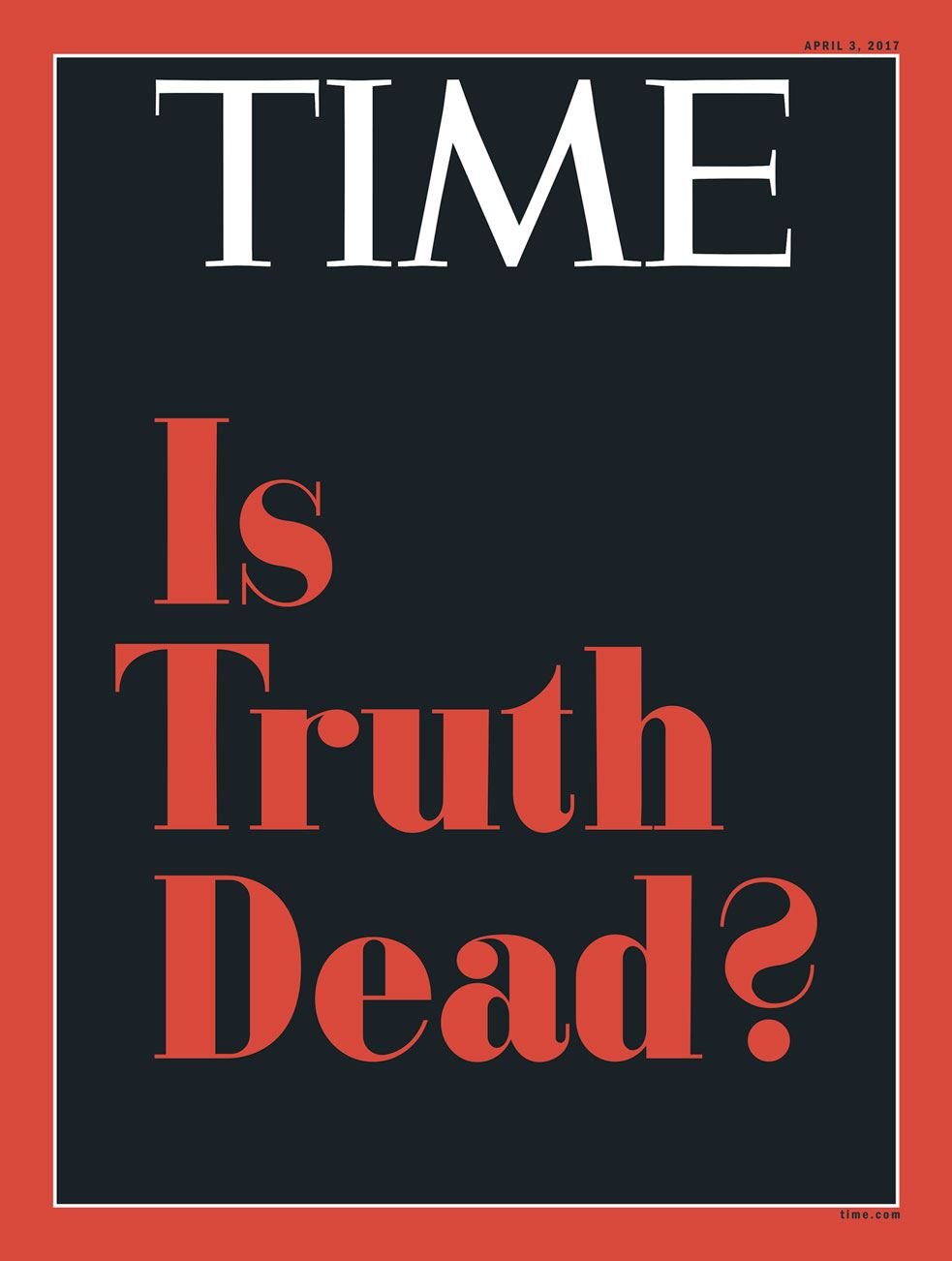
In England widespread riots followed the murder of three young children attending a dance group in Stockport. These riots had been triggered by false reports on social media that the accused was an asylum seeker. These reports were inflamed by more sophisticated forms of disinformation, including new websites that imitated those of newspapers or broadcasters.
The Government’s Education Secretary, Ms Phillipson, has decided that ‘pupils as young as five would be given critical thinking skills to identify misinformation.’
She added,
“It is more important than ever that we give our young people the knowledge and skills to be able to challenge what they see online”
At last people are beginning to realise that truth is a real concept. We recognise this in medicine where we look for the true diagnosis, in science we are looking for truth and law is a search for the truth. Now it is being recognised that news must be true because untruths can have terrible consequences. It is being recognised that two opposite opinions cannot be both true
Truth has an absolute dimension to it. God knows the truth about everything that happens in the world. We are reliant on aquiring evidence and using logic to deduce the truth. God alone knows the total reality, we humans are trying to unravel what is true, whether in science, law or other disciplines by dialectical processes.
This means that someone comes up with a notion, a thesis, and this is then tested by all the evidence available. This can result in an alternative notion, an antithesis. There will inevitably be a conflict until there is a resolution, a synthesis where the tension is revolved in a new thesis. Subsequently a new notion is proposed and there is another debate till another synthesis results. In the world of ideas, science and even religion this progression to understanding truth depends on evidence and information.
The Greek word for “truth” is aletheia, which refers to “divine revelation” and is related to a word that literally means “what can’t be hidden.” It conveys the thought that truth is always there, always open and available for all to see, with nothing being hidden or obscured. The Hebrew word for “truth” is emeth, which means “firmness,” “constancy” and “duration.” Such a definition implies an everlasting substance and something that can be relied upon.
This understanding that truth matters should surely not just be applied to social media and internet messages but to all information being delivered as ‘being true’. The opposite of truth is lying. No society or even marriage can last for long when it is based on lies!
Truth must be determined by examining the evidence. Is the universe billions of years old or just a few thousand years old. They cannot both be true. Is the teaching in the Quran and hadiths that radical Islamists consider to be God’s truth really reliable? Are the stories that we read about Jesus in the New Testament reliable, did he really die and rise again? Surely people must also be taught how to discern truth in all areas of faith. Objective solid evidence is vital but there is also subjective evidence. People have feelings about what is right and wrong. All people have feelings about right and wrong that our consciences contribute to. People recognise that love for others, honesty, kindness and truth are ideal characteristics that individuals and societies needs.
This need for truth has always been present. When Jesus appeared the authorities felt threatened by what he taught. He said that their understanding about how to get right with God was wrong. He taught that their understanding of the Messiah was wrong. They totally opposed his teaching that he was the Messiah as foretold in the Old Testament. He countered their errant views by his explanations of the correct way to understand Scripture, by his miracles This was supported by his character and subsequently demonstrated by his death and resurrection. It was the evidence that changed many peoples’ view of the truth about Jesus. Jesus boldly taught,
“I am the way, the truth and the life. No-one comes to the Father except through me.” John 14:6
Today you often hear people say:
“That may be your truth but it is not mine.”
What they are meaning is that their understanding of the truth differs from mine. What matters is whether what we follow is God’s truth, the only definition that holds, or whether we are following our own ideas. The only definition of truth that can stand is what God knows to be true. It has an absolute dimension to it, as even Plato understood. the purpose of our lives should be determined by what is true.
A headmaster said to his school one speech day:
“The purpose of your lives should be to find the purpose of life and then to make that the purpose of your life.”
How right he was.
BVP
‘Stepping Stones to Faith’ is a book that outlines the types of evidence there is that there is a true God and that the Christian faith is really evidence based truth.