‘Remember’, ‘Do Not Forget’
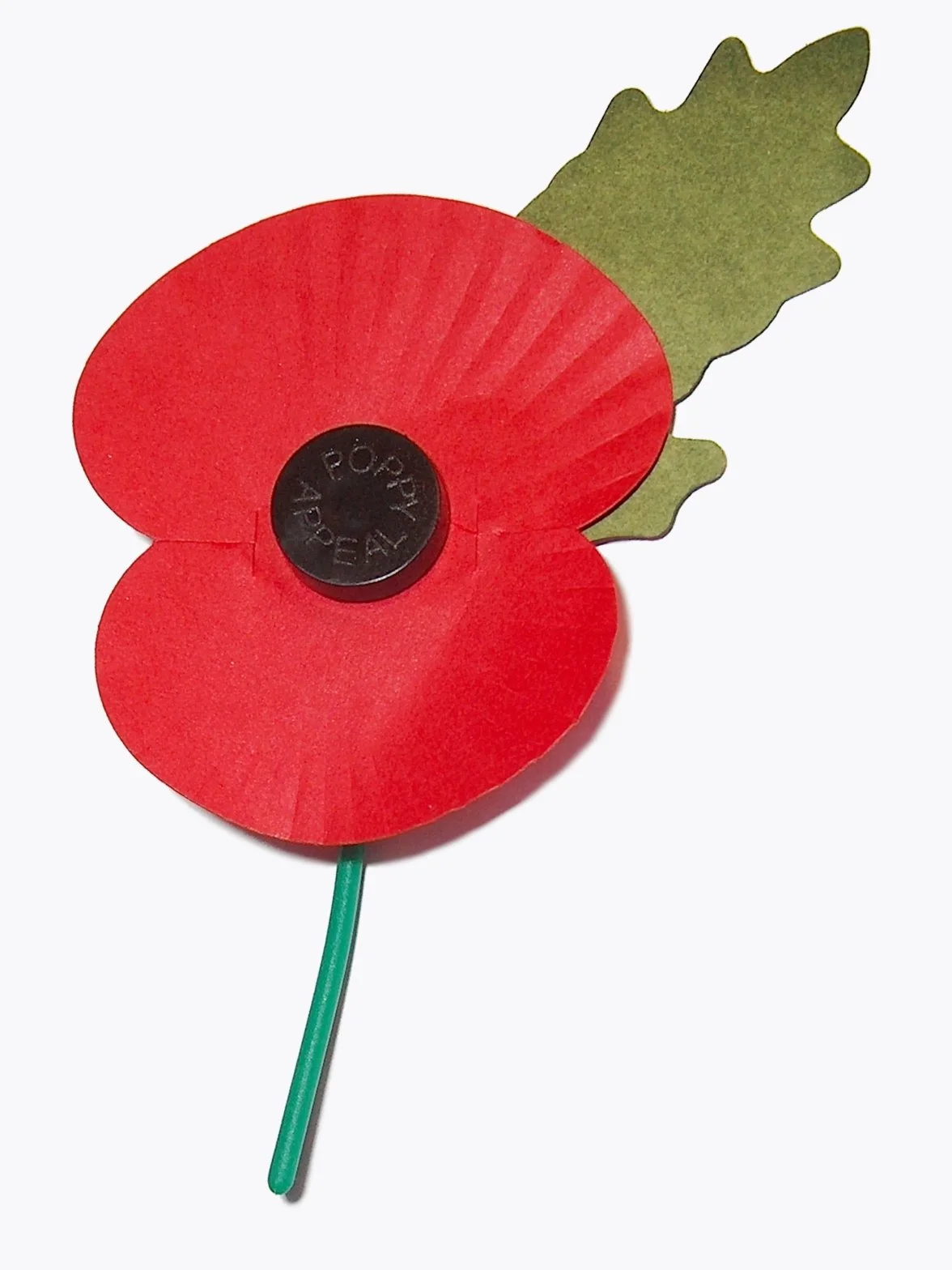
At the beginning of November we are repeatedly told to remember the past as these memories will be a guide in the future.
“Remember, remember the fifth of November, Gunpowder treason and plot”.
This is a line from a famous poem commemorating the Gunpowder Plot of 1605. The plot, led by Guy Fawkes and other Catholic conspirators, was an attempt to assassinate King James I and the Protestant elite by detonating 36 barrels of gunpowder beneath the House of Lords on November 5th. The event is still remembered today as Bonfire Night or Guy Fawkes Night, celebrated with bonfires, fireworks, and often a dummy effigy of Guy Fawkes.
Poppy Day, also known as Remembrance Sunday (November 11th) is important as a day to commemorate the service and sacrifice of all Armed Forces communities, veterans, and their families from the UK and the Commonwealth, as well as civilians who have lost their lives in conflict or acts of terrorism. The primary purpose is to honour the memory of those who died in the First World War and all subsequent conflicts. It is a national opportunity to reflect on the immense human cost of war. The poppy is a powerful symbol of remembrance and hope for a peaceful future. The red poppy was one of the only plants to grow on the otherwise barren, battle-scarred fields of Flanders on the Western Front during WWI. Its resilience and bright colour amidst the devastation inspired the Canadian doctor Lieutenant Colonel John McCrae to write the famous poem "In Flanders Fields". The poppy is thus an enduring symbol of new life and hope emerging from bloodshed.
The Bible stresses ‘remember’ and ‘do not forget’ because memory is not merely about mental recall; it is a spiritual discipline designed to shape one's identity, actions, and relationship with God. Humans are prone to ‘spiritual amnesia,’ and remembering serves as a necessary anchor to God's faithfulness and commands. The word ‘remember comes 231 times in the Bible. 181 times in the Old Testament.
The Bible emphasises remembering God's actions and faithfulness in the past. Examples include remembering God's guidance for forty years in the wilderness, his deeds and wonders, and his steadfast love and mercies. It also notes that God remembered his covenant with Abraham, Isaac, and Jacob. You can find these references in verses such as Deuteronomy 8:2, Psalm 77:11, 1 Chronicles 16:12, Lamentations 3:21-23, and Exodus 2:24.
There are several reasons we must encourage ways to remember what God has done in the past:
Cultivating Gratitude and Trust
Recalling God's past actions (such as the Exodus or Christ's sacrifice) serves as a powerful reminder of His goodness, mercy, and power, which in turn inspires thanksgiving, strengthens faith, and fosters trust in His future promises, especially during times of trial.
Psalm 103:2 "Praise the Lord, my soul, and forget not all his benefits" - This verse directly connects remembering God's actions with praise and gratitude.
Psalm 77:11 "I will remember the deeds of the Lord; yes, I will remember your wonders of old." - The psalmist uses remembrance to build faith during times of trouble.
1 Chronicles 16:12 "Remember the wonders he has done, his miracles, and the judgments he pronounced" - A call to remember God's power and work.
Encouraging Obedience and Action
Biblical remembrance is an active concept (expressed by the Hebrew word zakar, meaning to call to mind in order to act). By keeping God's commandments and the lessons from His works at the forefront of their minds, people are motivated to live in accordance with His will and avoid sin and disobedience.
Deuteronomy 8:11-14 "Be careful that you do not forget the Lord your God, failing to observe his commands, his laws and his decrees..." - This passage warns against forgetting God during times of prosperity, which would lead to disobedience and pride.
Deuteronomy 4:9 "Only be careful, and watch yourselves closely so that you do not forget the things your eyes have seen or let them fade from your heart as long as you live. Teach them to your children and to their children after them." - This links remembering with careful living and teaching the next generation.
Numbers 15:39-40 "...Remember all the commands of the Lord, that you may obey them and not prostitute yourselves by chasing after the lusts of your own hearts and eyes. Remember all my commands and be holy to your God." - God gives the Israelites fringes on their garments as a physical reminder to obey His commands.
Many passages stress the importance of remembering and not forgetting God's commands and covenant for the purpose of obedience. This includes warnings against forgetting the Lord who brought them out of Egypt and forgetting to keep his commandments. Specific examples encourage not forgetting God's benefits and teaching. The use of fringes on garments was also commanded as a way to remember and do all the Lord's commands. Relevant verses include Deuteronomy 4:9, Deuteronomy 6:12, Deuteronomy 8:11, Psalm 103:2, Proverbs 3:1, and Numbers 15:40.
Forming Identity and Hope
Shared memory of God's story and His covenant with His people helps shape their communal and individual identity. Remembering where they came from (e.g., slavery in Egypt, or a life apart from Christ) serves as an antidote against pride and self-righteousness, keeping hearts soft and humble before God.
Deuteronomy 5:15 "Remember that you were slaves in Egypt and that the Lord your God brought you out of there with a mighty hand and an outstretched arm. Therefore the Lord your God has commanded you to observe the Sabbath day." - Remembering their past slavery and God's deliverance grounds their identity and practice of the Sabbath.
Isaiah 43:18-19 "'Forget the former things; do not dwell on the past. See, I am doing a new thing!'" - While seemingly contradictory, this verse is a call to focus on God's new redemptive work, but it still assumes an active, intentional act of focusing the mind on the relevant aspect of God's plan.
Luke 22:19 "And he took bread, gave thanks and broke it, and gave it to them, saying, 'This is my body given for you; do this in remembrance of me.'" - Jesus institutes the Lord's Supper as a central act of remembrance for the Christian identity, focusing on His sacrifice.
Remembering God's past faithfulness provides hope for the future, reminding believers that a sovereign God is at work, even when circumstances seem bleak. It offers perspective, helping people see that their present problems shrink in comparison to the greatness of God.
The Bible repeatedly instructs parents to teach their children and grandchildren about God's mighty acts and laws, creating an intergenerational transmission of faith and wisdom. This prevents the community from drifting away from God's ways over time.
Guarding Against Forgetfulness
God knew His people would be easily distracted and tempted to forget Him and His laws when things were going well. The commands to remember, along with physical memorials (like the stones at the Jordan River, the Passover meal, or the Lord's Supper), act as safeguards against this inherent human weakness and spiritual amnesia.
Psalm 106:21 "They forgot the God who saved them, who had done great things in Egypt" - This verse highlights the negative consequences and spiritual danger of forgetting God.
Hebrews 10:32 "Remember those earlier days after you had received the light, when you endured in a great struggle with suffering." - The author of Hebrews calls the readers to remember their initial steadfastness to encourage perseverance in their current trials.
These references demonstrate that biblical ‘remembrance’ is a dynamic and essential aspect of a life of faith, not just a passive mental exercise.
‘Remembering’ in the New Testament
The theme of remembrance continues in the New Testament. Jesus instructs his followers to partake in the bread and cup in remembrance of him. The Holy Spirit is mentioned as a helper who will bring to remembrance what Jesus has taught. Believers are also reminded to remember their leaders. These points are found in verses like Luke 22:19, 1 Corinthians 11:24-25, John 14:26, 2 Peter 1:12-13, and Hebrews 13:7.